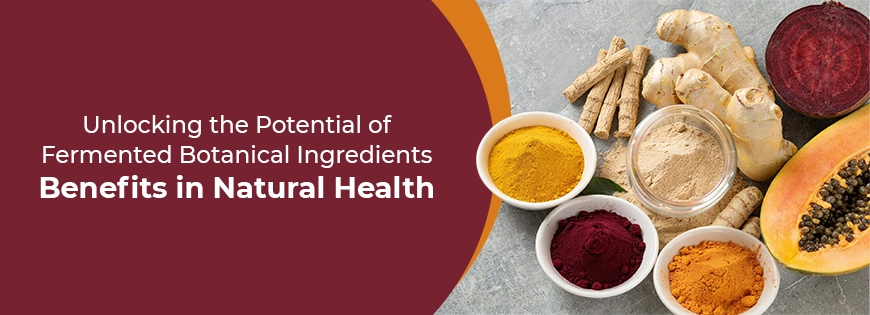
As consumers become more health-conscious and ingredient-savvy, there’s growing interest in botanical extracts that offer enhanced efficacy, bioavailability, and functionality. One method gaining traction in the natural product and supplement industry is fermentation, a traditional practice now being applied to modern plant-based ingredients to improve their health-supportive potential.
Fermentation has been used for centuries in food preservation and traditional medicine systems. Today, it is being harnessed to transform herbal and fruit-based extracts into more potent, bioactive, and gut-friendly forms, making them highly suitable for dietary supplements, functional foods, and wellness beverages.
Why Fermentation Matters in Botanical Extracts

Fermentation involves the use of beneficial microorganisms, such as Lactobacillus species, to break down plant compounds. This microbial action leads to several scientifically recognized benefits:
- Increased bioavailability of key phytochemicals
- Reduction of anti-nutritional factors such as oxalates or tannins
- Enhanced antioxidant and anti-inflammatory potential
- Improved gut compatibility through the creation of probiotic metabolites
- Better taste and shelf stability, with fewer synthetic additives
By breaking down complex molecules into smaller, more absorbable forms, fermentation helps unlock the full potential of botanical extracts.
1. Fermented Ashwagandha (Withania somnifera)
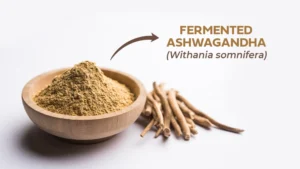
Ashwagandha is known for its adaptogenic properties, helping the body manage stress, improve energy levels, and support cognitive performance. When fermented, the bioavailability of its key active compounds, such as withanolides, may increase. The fermentation process also tends to reduce bitterness and makes the powder easier to digest, while potentially enhancing its calming effects.
Also Read: Fermented Botanical Extracts and Powders
A study found that fermentation of ashwagandha with Beauveria bassiana increased its anti-angiogenic potency, suggesting potential applications in disorders involving abnormal blood vessel growth. This fermented extract has been commercialized for nutraceutical use.
2. Fermented Beetroot (Beta vulgaris)

Beetroot is widely valued for its naturally occurring nitrates, which support blood flow and endurance. Fermentation further elevates its nutritional profile by increasing the levels of polyphenols and antioxidant capacity. It also reduces the sugar content, which makes fermented beetroot a favourable option for those looking to manage blood sugar while benefiting from improved circulation and stamina.
Research shows that fermented beetroot juice has significantly higher antioxidant potential than non-fermented juice. The process increases the content of polyphenols, betacyanins, and other antioxidants, resulting in potent anti-inflammatory, anticancer, antimicrobial, and antidepressant properties.
3. Fermented Ginger (Zingiber officinale)

Traditionally used to support digestion and relieve inflammation, ginger becomes even more bioactive through fermentation. The process not only enhances the release of free and other polyphenols but also reduces harshness and pungency, making it gentler on the stomach. Additionally, fermented ginger has shown potential in supporting gut health due to its microbial metabolites and antioxidant boost.
In a study, fermentation of ginger using Bifidobacterium adolescentis and Monascus purpureus significantly enhanced its functional components – gingerols, flavonoids, and polyphenols, and boosted antioxidant activity. The process also increased beneficial organic acids and bioactive compounds like Monacolin K and pigments, offering a promising method for improving the nutritional and therapeutic value of ginger-based products.
In another study published in the Journal of Functional Foods, ginger fermented with Schizosaccharomyces pombe was found to alleviate memory impairment in amyloid beta-injected mice. It protected hippocampal neurons, restored synaptic protein levels, and improved cognitive function, suggesting enhanced neuroprotective effects compared to non-fermented ginger in Alzheimer’s disease models.
4. Fermented Turmeric (Curcuma longa)

Turmeric is celebrated for its curcuminoids, natural compounds with antioxidant and anti-inflammatory properties. However, raw curcumin is poorly absorbed in the body. Fermentation can significantly enhance its solubility and bioavailability. It also stabilizes curcuminoids and supports easier formulation into functional foods or supplements by improving taste and dispersibility.
In a controlled animal study, Lactobacillus-fermented turmeric beverages showed increased absorption of phenolic compounds and higher plasma antioxidant concentrations than non-fermented turmeric. This indicates improved bioavailability and antioxidant activity due to fermentation.
5. Fermented Papaya (Carica papaya)
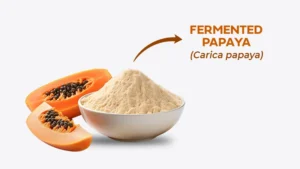
Papaya is naturally rich in enzymes like papain, along with vitamins and antioxidants. Fermentation helps concentrate on these benefits while generating additional compounds that support immune function and cellular health. Fermented papaya is often considered a gentle tonic for digestion and may aid in reducing oxidative stress in the body.
A 2022 review highlights the health benefits of fermented papaya (FPP®), noting its strong antioxidant, immunomodulatory, and anti-inflammatory properties. Studies demonstrate its potential in managing oxidative stress, Alzheimer’s disease, cancer, anemia, diabetes, and improving skin health and wound healing.
The Broader Promise of Fermented Botanicals
Incorporating fermented botanicals into product development aligns with clean-label trends and consumer demand for more bioactive and functional ingredients. These extracts not only improve the efficacy of traditional herbs and fruits but also support gut microbiota and overall metabolic health.
Brands and formulators are increasingly turning to fermented ingredients to create products that go beyond basic nutrition, offering holistic wellness benefits while maintaining a natural and sustainable sourcing profile.
Looking to Formulate with Fermented Botanicals?
A variety of fermented plant-based ingredients, including – Ashwagandha, Beetroot, Ginger, Turmeric and Papaya, are now available in high-quality, standardized powder forms. These extracts can be used in a wide range of applications such as capsules, drink mixes, functional snacks, and more.
NaturMed Scientific offers clean-label, lab-tested fermented botanical extracts suitable for food, beverage, and supplement formulations. All ingredients are free from GMOs, allergens, irradiation, and comply with global quality standards.
As interest in natural wellness continues to grow, fermented botanicals offer a unique intersection of tradition and innovation. By enhancing the bioactivity and digestibility of plant-based ingredients, fermentation not only improves product performance but also supports holistic health. Whether used in supplements, functional beverages, or food products, these extracts present an exciting opportunity for creating cleaner, more effective wellness solutions.
Disclaimer: The Statement has not been evaluated by the EFSA, KFDA or FDA. This product is not intended to diagnose, treat, cure, or prevent any disease. While the information provided is based on credible references, we do not make any specific claims or guarantees. It is important to consult with your healthcare advisor for personalized advice and guidance related to your health.
References:
- Biological Activity of Fermented Plant Extracts for Potential Dermal Applications
- Phenolic Compounds and Antioxidant Properties of Fermented Beetroot Juices Enriched with Different Additives
- Functional components and antioxidant activity were improved in ginger fermented by Bifidobacterium adolescentis and Monascus purpureus
- Ginger fermented with Schizosaccharomyces pombe alleviates memory impairment via protecting hippocampal neuronal cells in amyloid beta1-42 plaque injected mice
- Study on enhanced absorption of phenolic compounds of Lactobacillus-fermented turmeric (Curcuma longa Linn.) beverages in rats
- Benefits of Fermented Papaya in Human Health