Ginseng is a revered herbal root with a history stretching back thousands of years in traditional medicine, particularly throughout East Asia. Today, this botanical continues to be at the forefront of scientific research and health conversations, due to its wide-ranging effects on fatigue, immunity, metabolism, and more.
Ginseng: Origins and Types
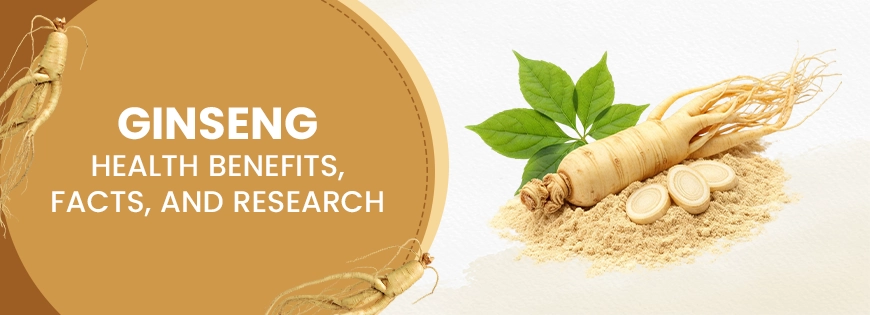
Ginseng comes primarily in two main forms: Asian ginseng (Panax ginseng) and American ginseng (Panax quinquefolius). While both are considered adaptogenic plants, Asian ginseng is known for its more stimulating properties, whereas American ginseng is regarded as slightly calming.
The root, harvested after several years of growth, is either used fresh, dried (white ginseng), or steamed and dried (red ginseng). The active compounds, especially ginsenosides, are found in varying types and quantities across these forms and species, which partly explains their differing effects on health.
Traditional Uses and Cultural Importance
Ginseng’s role in traditional Chinese, Korean, and Native American medicine is vast, it’s prescribed for supporting overall vitality, boosting immune strength, improving stamina, and sharpening mental performance. Its reputation as a “tonic” mirrored the belief that ginseng helps restore and balance the body under stress or illness.
Key Health Benefits
1. Energy and Fatigue Reduction
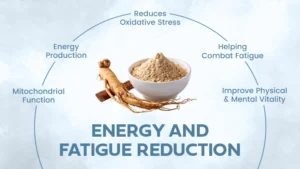
Ginseng enhances cellular energy production, mitochondrial function, and reduces oxidative stress, helping combat fatigue and naturally improve physical and mental vitality.
A 2023 systematic review and meta-analysis reported that ginseng herbal formulas provided modest improvements in fatigue severity, especially among individuals with chronic fatigue, compared to controls. The authors emphasized, however, that additional high-quality research is needed to confirm these findings.
2.Immunity Enhancement

Ginseng may support immune balance, boosting key immune cells and strengthening resistance to infections, promoting overall wellness and seasonal defense naturally.Ginseng is well-known for its immunomodulatory properties, meaning it can balance and boost immune function.
The study “Ginseng, the ‘Immunity Boost’: The Effects of Panax ginseng on Immune System” (J Ginseng Res. 2012 Oct;36(4):354–368) shows that ginseng helps the immune system work better. It supports important cells like macrophages, natural killer cells, and T and B cells, helps balance immune responses, and may protect the body from infections and inflammation.
3. Antioxidant and Anti-Inflammatory Effects

Rich in ginsenosides and polyphenols, ginseng combats oxidative stress and inflammation, protecting cells and supporting long-term healthy bodily function.The ginsenosides and polyphenols in ginseng display notable antioxidant activity, helping combat inflammation and oxidative cell damage.
The study on Panax ginseng root extract (PGRE) shows that it has strong antioxidant and anti-inflammatory effects on the skin. At a concentration of 50 μg/mL, PGRE reduced harmful reactive oxygen species (ROS) by 51.6%, lowered inflammation markers IL-1α and PGE2, and decreased NF-κB activity by 43.65%. In 3D skin models, it improved skin thickness by 22.91%, suggesting that PGRE can help repair the skin barrier and protect against aging and inflammation.
4. Brain Health and Cognition

Ginseng may support memory, mental clarity, and mood, enhancing cognitive function while aiding recovery from stress-related cognitive decline.
Ginseng has demonstrated possible benefits for cognitive function, such as enhancing memory, improving mood, and supporting mental sharpness. Regular use has been correlated with improved scores on cognitive performance tests in the elderly and may aid recovery from stress-induced memory impairment. It may also have a role in supporting mood and managing anxiety or depression symptoms.
A 2018 Korean study looked at 6,422 older adults to see how ginseng affects memory and thinking. People who took ginseng for 5 or more years had better thinking skills at the start, but ginseng didn’t slow memory decline over 4 years. Long-term use may help, but more research is needed.
5. Glucose and Metabolic Effects

Ginseng may help regulate blood sugar, improves insulin sensitivity, and supports lipid metabolism, promoting cardiovascular health and metabolic balance.
Several studies highlight ginseng’s ability to help regulate blood sugar and support metabolic health.
“Review of Ginseng Anti-Diabetic Studies” shows that ginseng, a popular Chinese herb, may help treat type 2 diabetes. Its active compounds, ginsenosides, improve insulin function, glucose absorption, and reduce inflammation. Studies suggest benefits for diabetic patients but not healthy people, though the exact anti-diabetic mechanisms are still unclear.
6. Sexual Health and Menopausal Symptom Relief

Ginseng may improve sexual function in men and alleviate mild menopausal symptoms in women, supporting reproductive and hormonal wellness.
Evidence supports a positive impact of ginseng on sexual function, notably for men with erectile dysfunction. Women may also benefit from mild improvements in menopausal symptoms, such as hot flashes and mood fluctuations.
A 2021 study indicates that ginseng could serve as a potential alternative therapy for managing erectile dysfunction (ED).
A 2021 Cochrane review in World Journal of Men’s Health evaluated the effects of ginseng on erectile dysfunction. The analysis of nine randomized controlled trials found that ginseng may slightly improve men’s self-reported ability to have intercourse but has only minimal, clinically insignificant effects on erectile function and sexual satisfaction compared to placebo.
A 2013 systematic review in Journal of Ginseng Research evaluated the effectiveness of ginseng in managing menopause symptoms. Four randomized clinical trials were included, with mixed results: some showed improvements in sexual arousal, global health, and menopausal symptom scores, while others found no significant effects. Overall, evidence is limited and of low quality, so firm conclusions cannot be drawn.
Ginseng Facts and Safety
- Ginsenosides: These unique saponins are responsible for many of ginseng’s effects, including adaptogenic, anti-inflammatory, and immune-enhancing properties.
- Forms: Available as fresh, dried, powdered, teas, extracts, and standardized supplements.
- Safety: Ginseng is generally well-tolerated but may cause mild side effects (such as gastrointestinal discomfort) or interact with medications like warfarin, diabetes drugs, and antidepressants. Individuals with underlying medical conditions or those who are pregnant should seek professional guidance before use.
Scientific Consensus and Ongoing Research
While ginseng’s uses are widespread and many benefits are scientifically promising, experts warn that much evidence is preliminary; many studies have been conducted on small populations or animals, and larger, high-quality human trials are needed for confirmation.
Ginseng remains a trusted herbal ally for health worldwide, offering diverse benefits supported by centuries of use and growing scientific investigation. As with any supplement, responsible consumption and consultation with healthcare professionals are essential for safety and best results.
Disclaimer:
The statements above have not been evaluated by EFSA, KFDA, or FDA. Chaga is not intended to diagnose, treat, cure, or prevent any disease. Although the information provided is based on credible references, no medical claims are made. Please consult your healthcare advisor for personalized health guidance.
Reference:
- Ginseng and Ginseng Herbal Formulas for Symptomatic Management of Fatigue: A Systematic Review and Meta-Analysis
- Ginseng, the ‘Immunity Boost’: The Effects of Panax ginseng on Immune System
- Panax Ginseng Root Extract Exhibits Antioxidant and Anti-Inflammatory Properties by Diminishing Oxidative Stress Levels and Modulating the NF-κB Signaling Pathway at Both the Cellular and Tissue Levels in the Skin
- Effects of lifetime cumulative ginseng intake on cognitive function in late life
- Review of Ginseng Anti-Diabetic Studies
- Alternative medicine and herbal remedies in the treatment of erectile dysfunction: A systematic review
- Ginseng for Erectile Dysfunction: A Cochrane Systematic Review
- Ginseng for managing menopause symptoms: a systematic review of randomized clinical trials